The Cost of Winning: A Variance Analysis of F1 Team Spending (Personal Project)
The Cost of Winning: A Variance Analysis of F1 Team Spending (Personal Project)
DURATION
2 Months
DURATION
2 Months
FOR WHO?
Personal Project
FOR WHO?
Personal Project
Strategic Financial Modeling
Strategic Financial Modeling
Cost Control & Variance Analysis
Cost Control & Variance Analysis
Performance ROI Analysis
Performance ROI Analysis
PROJECT OVERVIEW
PROJECT OVERVIEW
The F1 Financial Regulations (Cost Cap) represent the greatest strategic shift in modern motorsport. It's no longer just about who spends the most, but who spends the smartest. This project was a self-initiated deep dive to move beyond speculation and build a quantitative model that explores the direct link between a team's financial strategy and its real-world performance. As a finance professional, I see the Cost Cap as the ultimate strategic puzzle: a resource-limited environment where every financial decision has a direct, measurable impact on the track.
The F1 Financial Regulations (Cost Cap) represent the greatest strategic shift in modern motorsport. It's no longer just about who spends the most, but who spends the smartest. This project was a self-initiated deep dive to move beyond speculation and build a quantitative model that explores the direct link between a team's financial strategy and its real-world performance. As a finance professional, I see the Cost Cap as the ultimate strategic puzzle: a resource-limited environment where every financial decision has a direct, measurable impact on the track.
The Challenge
The Challenge
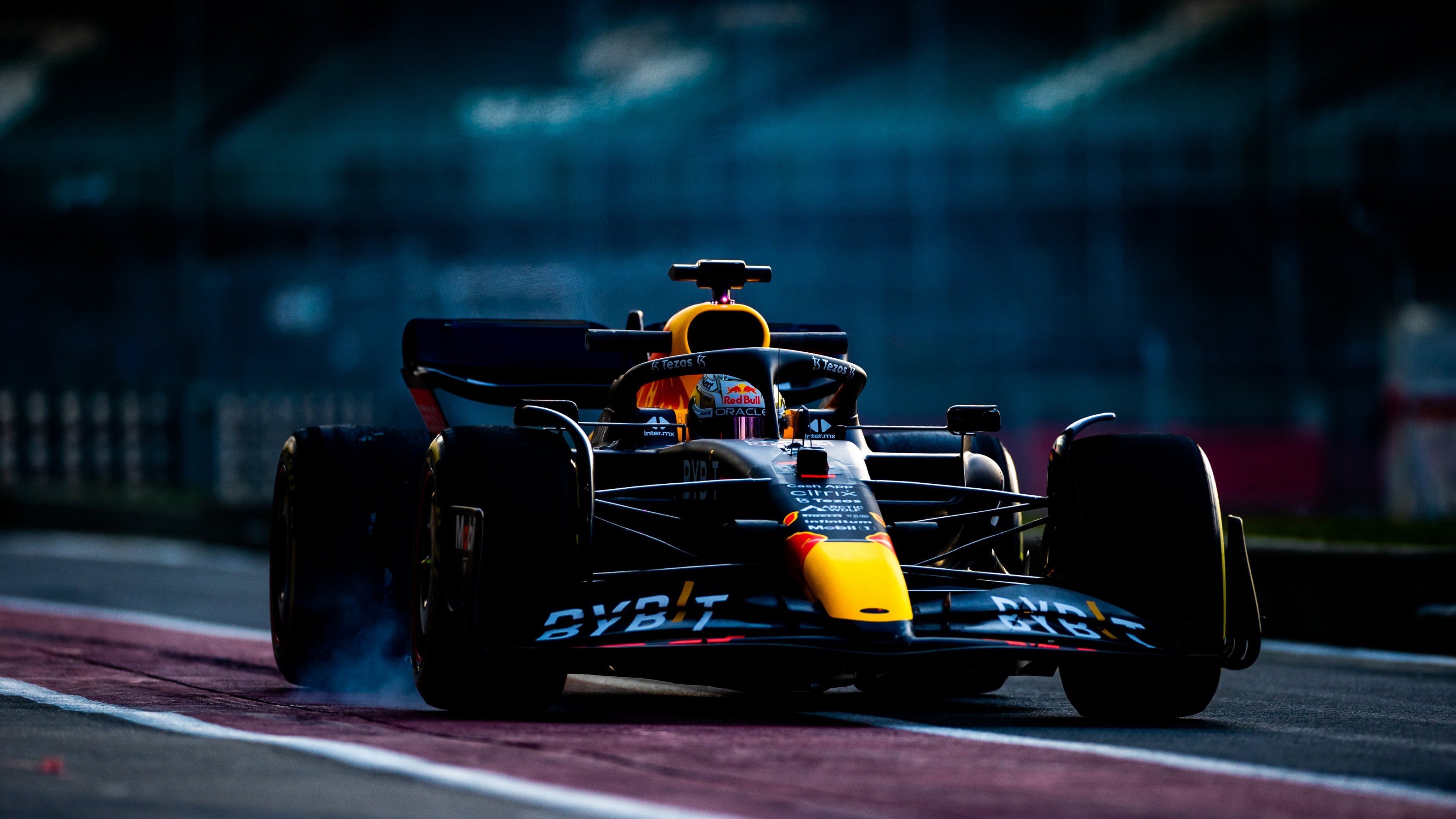
How do you quantify the ROI on a new floor design or a faster pit stop? The primary challenge was to find and correlate two very different datasets: 1) publicly reported financial data and strategic spending trends (CapEx vs. OpEx) and 2) granular on-track performance indicators (development upgrades, pit stop times, reliability). The goal was to build a model that could answer: "If you have $10 million left in your budget, where does it make the biggest impact on performance, and what is the financial risk of getting it wrong?"
How do you quantify the ROI on a new floor design or a faster pit stop? The primary challenge was to find and correlate two very different datasets: 1) publicly reported financial data and strategic spending trends (CapEx vs. OpEx) and 2) granular on-track performance indicators (development upgrades, pit stop times, reliability). The goal was to build a model that could answer: "If you have $10 million left in your budget, where does it make the biggest impact on performance, and what is the financial risk of getting it wrong?"
WHAT I DID
WHAT I DID
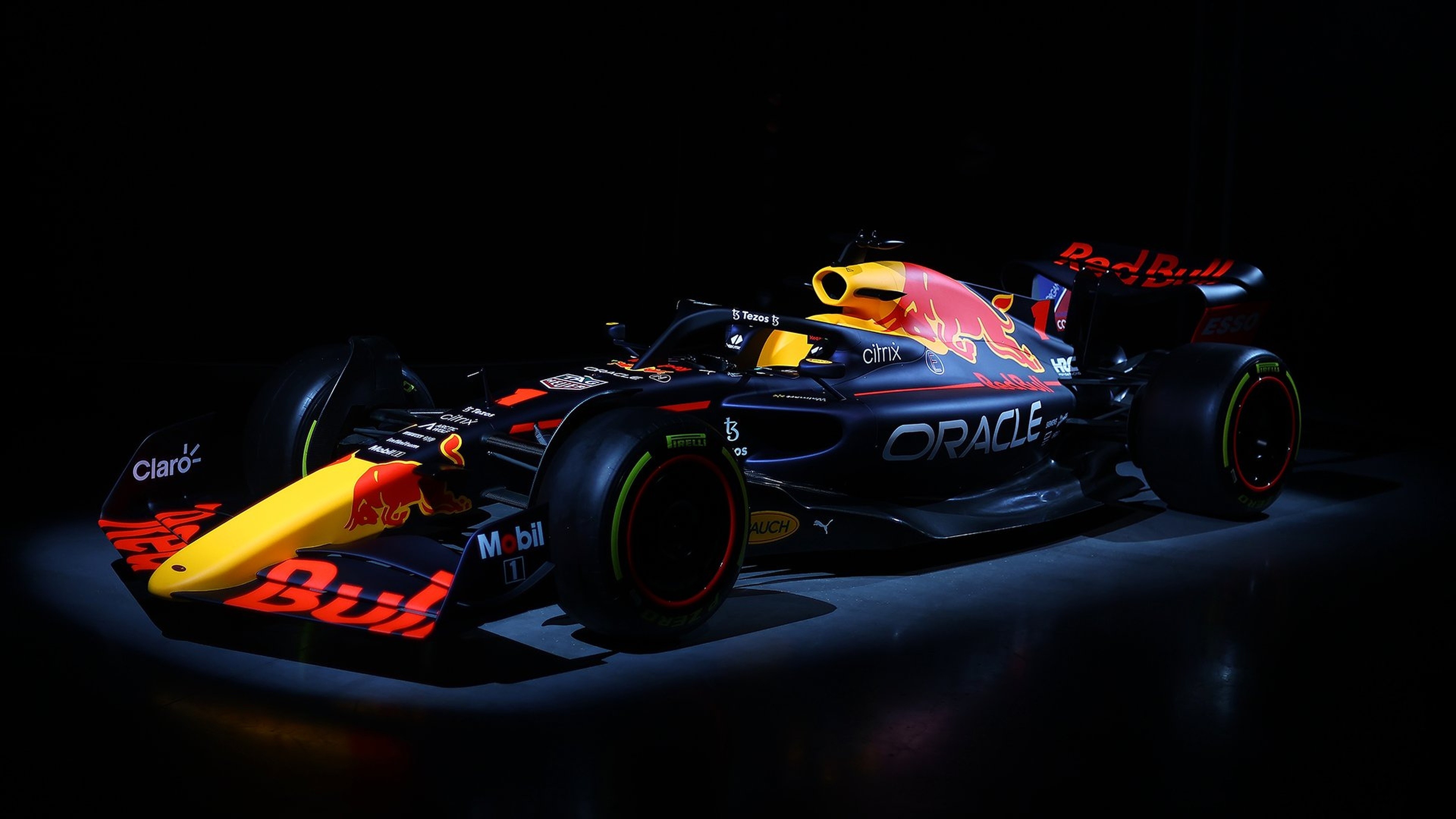
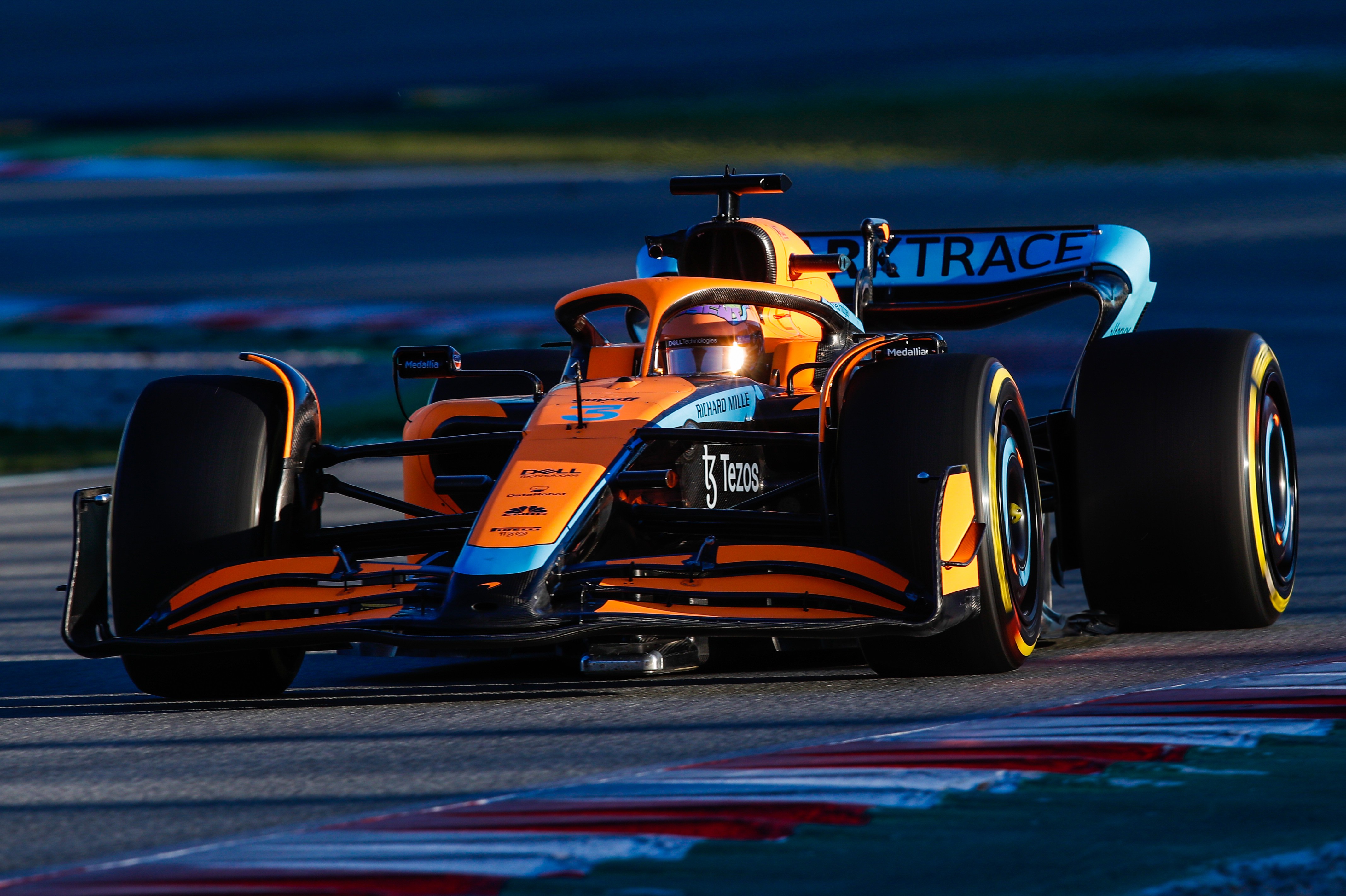
To solve this, I focused on three core analytical tasks: Built a 3-Season Financial Model: I developed a comprehensive financial model analyzing the CapEx and OpEx strategies of three distinct F1 teams (a top-tier, a mid-field, and a back-marker) from the 2022-2024 seasons to establish spending baselines. Correlated Spending with Performance: I correlated key performance indicators (e.g., in-season development upgrades, pit stop deltas, points-per-dollar) with the financial models to identify patterns and model the potential ROI of different resource allocations under the Cost Cap. Modeled Penalty & Variance Impact: I modeled a "what-if" variance analysis to forecast the tangible impact of potential F1 Cost Cap penalties (like a reduction in wind tunnel time) on a team's future development budget, simulating the high-stakes decisions a CFO would face.
To solve this, I focused on three core analytical tasks: Built a 3-Season Financial Model: I developed a comprehensive financial model analyzing the CapEx and OpEx strategies of three distinct F1 teams (a top-tier, a mid-field, and a back-marker) from the 2022-2024 seasons to establish spending baselines. Correlated Spending with Performance: I correlated key performance indicators (e.g., in-season development upgrades, pit stop deltas, points-per-dollar) with the financial models to identify patterns and model the potential ROI of different resource allocations under the Cost Cap. Modeled Penalty & Variance Impact: I modeled a "what-if" variance analysis to forecast the tangible impact of potential F1 Cost Cap penalties (like a reduction in wind tunnel time) on a team's future development budget, simulating the high-stakes decisions a CFO would face.

A
A